
A Brief Discussion on Pipeline Steel Materials and Industry Standardization
Aug. 14, 2026
Pipeline steel materials are essential basic materials for industrial construction, energy projects, and urban infrastructure. With the continuous development of the industry, the production, specifications, and quality control of pipes and fittings have become fully standardized. Meanwhile, an increasing number of Chinese-made pipe fittings are entering international markets through global trade.
A piping system mainly consists of key components such as elbows, tees, reducers, and flanges. Each type of fitting has its own classification and specific application. Elbows are used to change the direction of pipelines, tees are used for flow diversion and combination, reducers are used for pipe diameter transitions, and flanges provide connection and sealing functions. Unified structural classifications make pipeline installation more standardized and consistent.
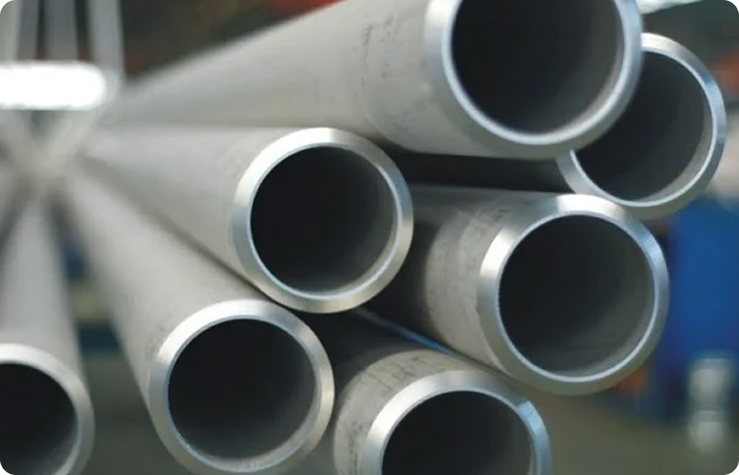
To ensure product compatibility and reliable quality, strict national standards for pipe fittings have been established in China. GB/T 12459 standardizes the dimensions and specifications of elbows, tees, reducers, and other fittings, ensuring that products from different manufacturers can be installed interchangeably. GB/T 13401 regulates manufacturing processes, welding inspections, and final acceptance requirements, ensuring pipeline safety and durability. Flanges follow standards such as GB/T 9124 and the HG/T series, which distinguish between European and American standard systems and meet the requirements of both domestic engineering projects and export orders.
In international trade, ASME American standards are widely recognized worldwide. ASME B16.9 applies to standard butt-weld pipe fittings, ASME B16.5 covers American standard flanges, and ASME B16.11 applies to small-diameter high-pressure fittings. The coexistence of Chinese national standards and American standards enables Chinese pipeline products to meet the requirements of various engineering projects at home and abroad.
Pipe materials have also become increasingly specialized. Carbon steel, alloy steel, stainless steel, and low-temperature steel can meet the requirements of different operating conditions, including various temperatures and pressure levels. Combined with standardized weight calculation methods, production quotations have become more accurate and professional.
Today, the pipeline industry continues to move toward greater standardization and internationalization. Supported by a comprehensive standards system and diversified international trade channels, Chinese pipeline steel products are continuously expanding into overseas markets, and the industry is developing steadily with positive growth prospects.